
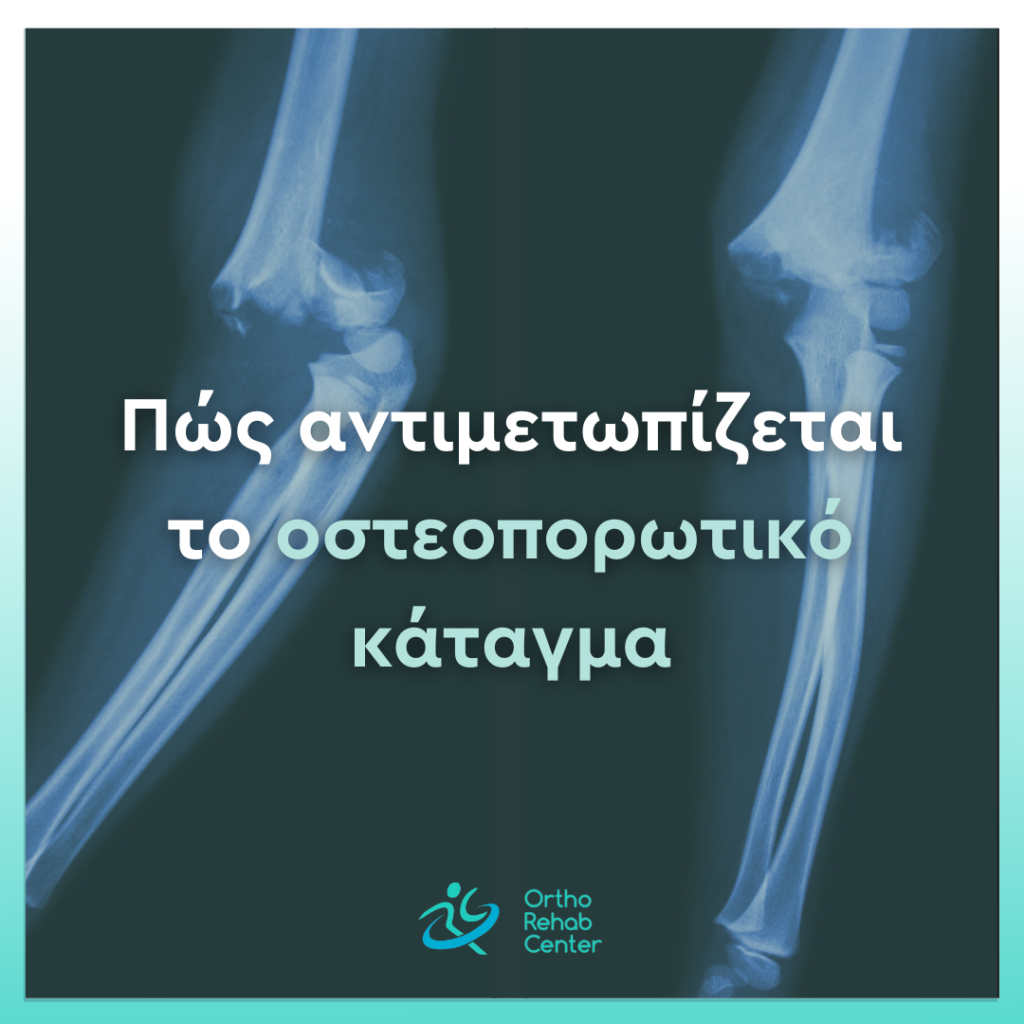
Osteoporotic fractures are a common complication in individuals with OsteoporosisThey may also serve as the first indication of osteoporosis in patients who were previously undiagnosed. Osteoporotic fractures most frequently occur in the vertebral column, but can also affect the shoulder,, wrist, and hip. Epidemiological data indicate that one in three women and one in five men over the age of 50 will experience a fracture related to osteoporosis.

Symptoms
A hallmark feature of osteoporotic fractures is their occurrence with minimal trauma. Patients with advanced osteoporosis may sustain a fracture from simple weight lifting, sudden movements, or even coughing.The primary symptom is pain, which may sometimes develop delayed relative to the time of injury. Pain is typically severe, significantly limiting daily activities and reducing mobility, even making it difficult for patients to lie in a supine position. Osteoporotic fractures are considered serious injuries, as they can lead not only to pain but also to disability or, in severe cases such as hip fractures, increased mortality.

Diagnosis
The diagnosis of an osteoporotic fracture is typically performed in two stages. The first stage involves radiographs (X-rays) to visualize the fracture pattern. Computed tomography (CT) is then used to provide detailed imaging of the extent of the fracture and the overall condition of the bones. Magnetic resonance imaging (MRI) can further indicate the approximate timing of the fracture, the stage of healing, and whether nerve roots or the spinal cord have been affected by pressure from the fracture.It is also advisable for patients to assess the site of osteoporosis via bone mineral density measurement, and to adhere to appropriate pharmacological treatment as prescribed.

Treatment
Management of an osteoporotic fracture may be either conservative or surgical.Conservative treatment often includes the use of a specialized brace or support belt, which can provide partial stabilization but also imposes certain limitations.Surgical treatment options include vertebroplasty and kyphoplasty, both aimed at alleviating pain, improving mobility, and enabling the patient to resume daily activities as quickly as possible.Vertebroplasty involves percutaneous insertion of a needle into the vertebral body, followed by injection of acrylic bone cement to stabilize the fracture.Kyphoplasty is a similar procedure, but additionally involves insertion of a balloon to create a cavity within the vertebral body before cement injection.The choice of procedure is determined by the treating physician based on the specific characteristics of the fracture and the patient’s overall condition.
Epidemiological data indicate that a patient who has experienced one osteoporotic fracture has a fourfold increased risk of sustaining a subsequent osteoporotic fracture.Therefore, early diagnosis of osteoporosis and the timely initiation of pharmacological treatment are crucial to minimize the risk of future osteoporotic fractures.
 English
  Greek
Greek