
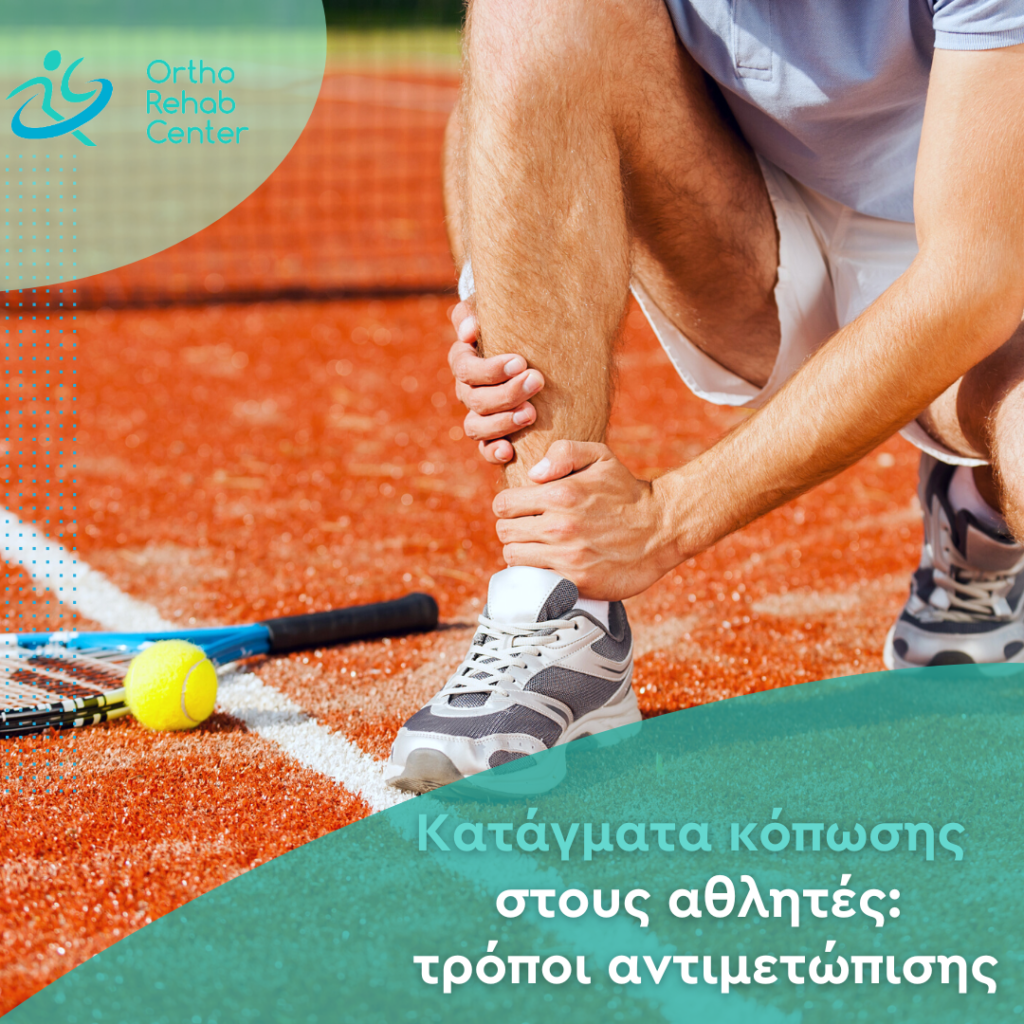
Stress fractures are hairline fractures or bone edema that result from continuous and repetitive training that places excessive stress on the bones. They most commonly occur in athletes whose training and competition schedules heavily load the lower extremities. Stress fractures can occur at any age and in both sexes; however, women appear to be more susceptible due to dietary or hormonal imbalances or osteoporosis.
In the majority of cases, stress fractures affect the lower extremities. Specifically, the most commonly affected sites are the tibia, the metatarsals ,the femur, and the calcaneus.Causes of Stress Fractures
Stress fractures are especially common in athletes participating in sports where both training and competition involve high-impact activities that repeatedly strike the ground, placing pressure on the feet. Examples include tennis, basketball, track and field, long-distance running, and gymnastics (e.g., artistic gymnastics).Other contributing factors to stress fractures include:
- Training surface (e.g., excessively hard surfaces)
- Sudden increases in training intensity, duration, or volume
- Inappropriate or worn-out footwear
- Inadequate rest or complete absence of rest between training sessions
Symptoms of Stress Fractures
Stress fractures typically present with mild symptoms in the early stages. The most common symptoms include:
- Pain during training, which subsides with rest
- Localized swelling at the fracture site
- Worsening of pain if the athlete resumes training prematurely
Diagnosis and Treatment of Stress Fractures
Accurate diagnosis should be made by an orthopedic specialist, who will evaluate the patient through a thorough medical history and clinical examination. Additional imaging studies, such as computed tomography (CT) or magnetic resonance imaging (MRI), may be requested to confirm the diagnosis.
Following diagnosis, the physician will recommend the most appropriate treatment based on both the severity of the fracture and the athlete’s specific needs. In general, stress fractures can be managed through:
- The RICE method (Rest – Ice – Compression – Elevation)
- Avoidance of activities that caused the fracture
- Immobilization using a brace
- Surgical intervention in severe cases or when fractures are not managed promptly
 English
  Greek
Greek