
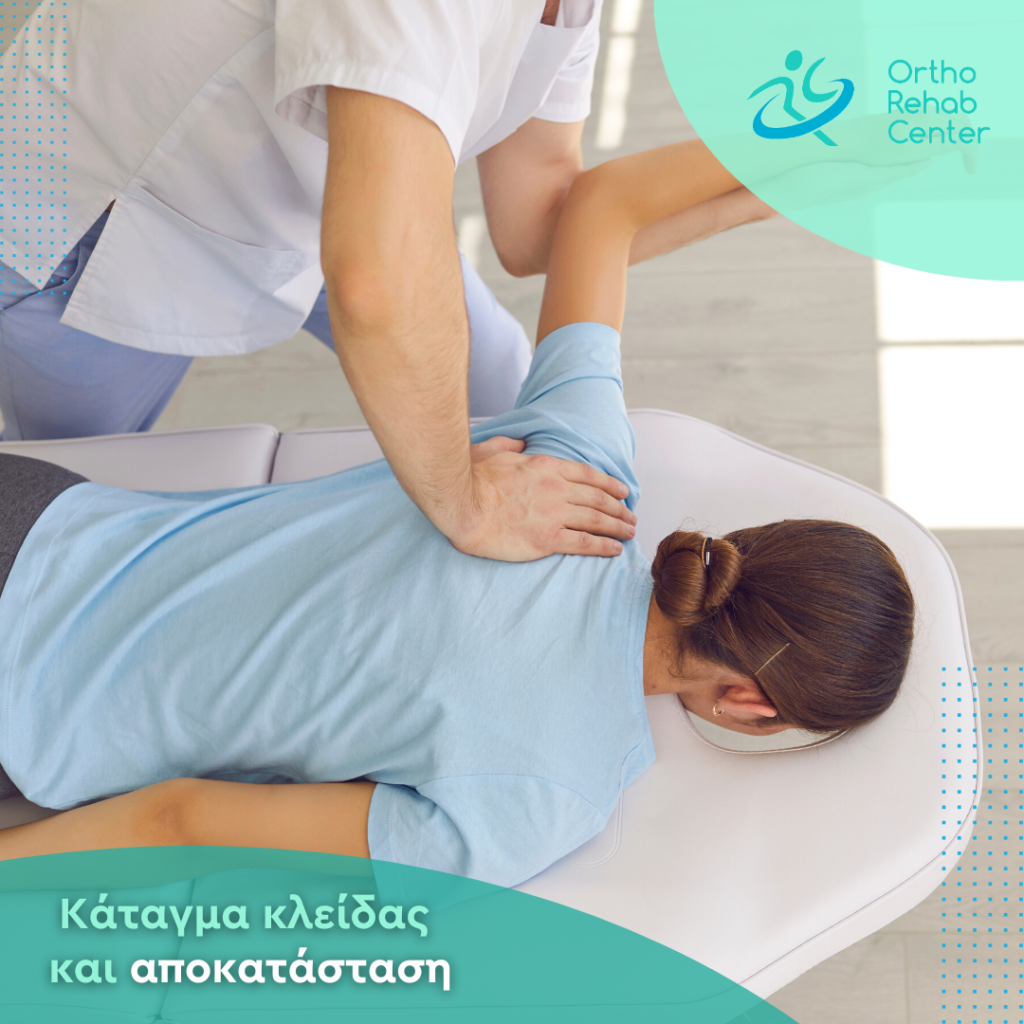
The clavicle, or collarbone, is a long, slender bone that connects the scapula to the sternum. Clavicle fractures are a common injury that can result from a fall, a direct blow to the shoulder, or various other factors. This type of injury is particularly prevalent among athletes, especially those participating in contact sports such as football or hockey. The clavicle is located between the thorax and the scapula and serves as the bone connecting the arm to the rest of the body. It lies above several important nerves and blood vessels; however, these vital structures are rarely injured in the event of a fracture.
Clavicle Fracture: Causes
The most common cause of a clavicle fracture is a direct impact to the shoulder, such as a fall or a collision during physical activity. This type of trauma can result in cracking or breaking of the bone. In some cases, a clavicle fracture may also be caused by repetitive Mechanical strain or overuse injuries, such as those observed in athletes who frequently perform overhead arm movements shoulder level.
Clavicle Fracture: Symptoms
The symptoms of a clavicle fracture may vary depending on the severity of the injuries,The most common symptoms include:
- Pain, which may result in an inability to lift the arm
- Swelling
- Tenderness over the clavicle
- Bruising around the clavicle
- Visible deformity or a bump over the fracture site
- Drooping of the shoulder downward and forward
- Limited range of motion of the arm
- A grinding or crackling sensation when attempting to raise the arm
Clavicle Fracture: Diagnosis
To diagnose a clavicle fracture, the physician typically performs a clinical examination of the affected area, assessing for signs of swelling, tenderness, or deformity. Radiographic imaging may also be requested to confirm the diagnosis and determine the severity of the fracture.
Clavicle Fracture: Treatment Options
Treatment for a clavicle fracture depends on the severity of the injury. In mild cases, the arm may be immobilized using a sling or brace, and analgesic medications may be prescribed for pain management. In more severe cases, surgical intervention may be required to realign the bones and stabilize them in place using plates and screws.
Recovery Process
Following a clavicle fracture, a rehabilitation process may be necessary to restore the range of motion and strength of the affected shoulder. Rehabilitation may include stretching and strengthening exercises for the muscles surrounding the shoulder, as well as a structured physical therapy program to improve mobility and flexibility. In severe cases, a period of rest may be required before starting rehabilitation to allow the bone sufficient time to heal completely. Clavicle fractures can result from a fall, a direct impact to the shoulder, or overuse injuries. Symptoms can range from mild to severe, and the appropriate treatment depends on the severity of the fracture. Rehabilitation is a critical component of recovery, aiding in the restoration of strength and mobility of the injured shoulder. In the event of a clavicle fracture, prompt consultation with a medical specialist is essential to receive timely treatment and to prevent potential worsening of symptoms.
 English
  Greek
Greek