
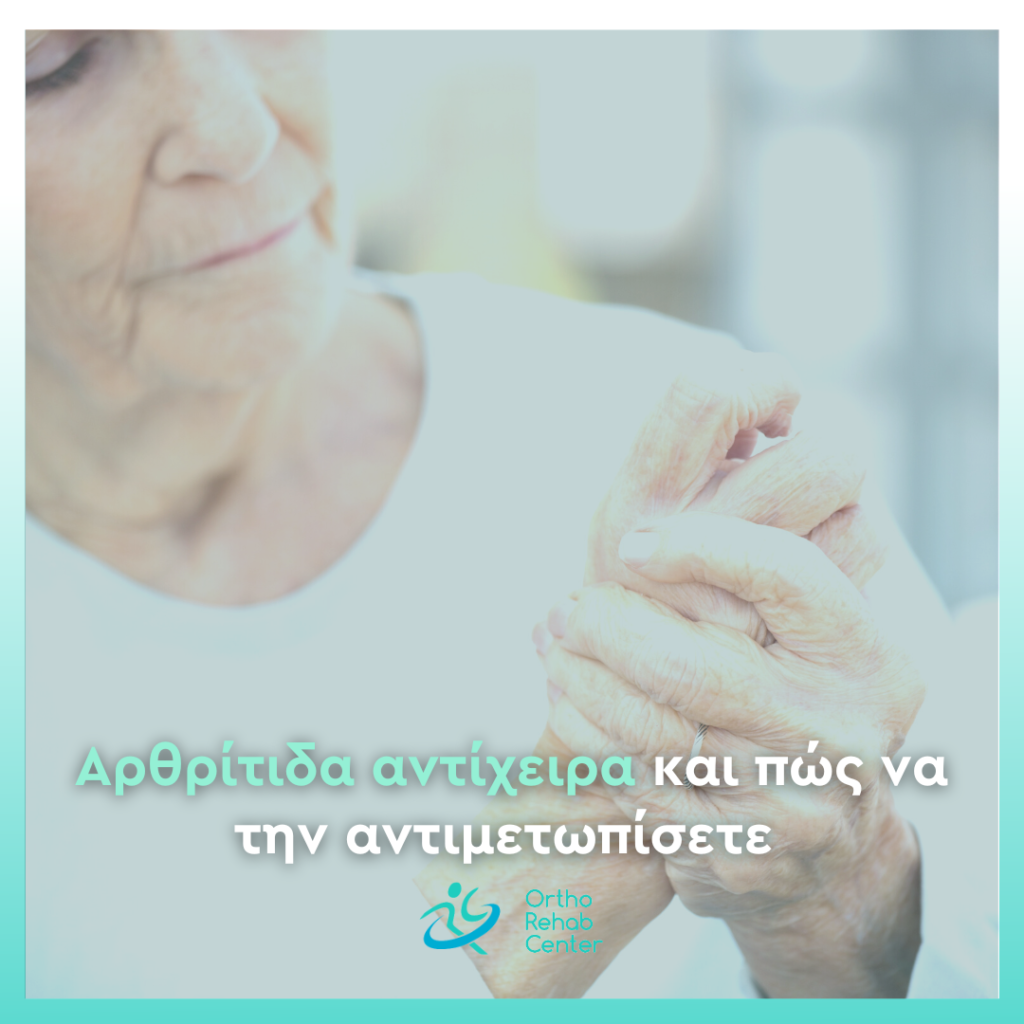
Thumb arthritis is the second most common form of arthritis in the hand. The thumb is an area of frequent daily use, so wear and tear is significant and can make even simple movements difficult. The thumb joint, also known as the carpometacarpal (CMC) joint, allows the thumb to move opposite the other fingers and enables many of the functional movements performed by the hand.Arthritis is defined as inflammation within a joint, and in this area, the condition results in the bones of the joint coming into contact with each other due to cartilage wear.Thumb arthritis is more common in women than in men and typically affects individuals over the age of 40.
Causes of Thumb Arthritis
Causes Associated with Thumb Arthritis:
- Heredity
- Previous injury to the area
- Infection
- Instability of the ligament of the basal joint
- Rheumatoid arthritis
- Idiopathic osteoarthritis
Symptoms of Thumb Arthritis
Thumb arthritis is accompanied by several symptoms, the most significant of which include:
- Pain at the base of the thumb, which may worsen with various movements
- Swelling (usually localized)
- Difficulty with movement
- Weakness or instability when grasping objects
- Reduced joint mobility
- Deformity
- Formation of osteophytes
These and other symptoms associated with thumb arthritis may worsen at night or with changes in weather.
Diagnosis and Treatment of Thumb Arthritis
Clinical examination is usually sufficient for a physician to diagnose thumb arthritis, although X-rays are often requested to provide a more detailed view of the joint and to determine the stage of the disease.
The treatment of thumb arthritis can be conservative and/or surgical, depending on the stage of the condition. Conservative management options include:
- Cryotherapy
- Use of a splint
- Pharmacological therapy
- Corticosteroid injections
- PRP (Platelet-Rich Plasma) injections
In advanced stages of the disease, or when conservative methods fail, surgical intervention may be necessary. Surgery can be performed using various techniques, and the surgeon will choose the most appropriate method based on the patient’s individual needs, age, and activity level.
Following surgery, the use of a splint is required, along with a structured physical therapy program to restore strength and the full range of motion of the thumb.
 English
  Greek
Greek