
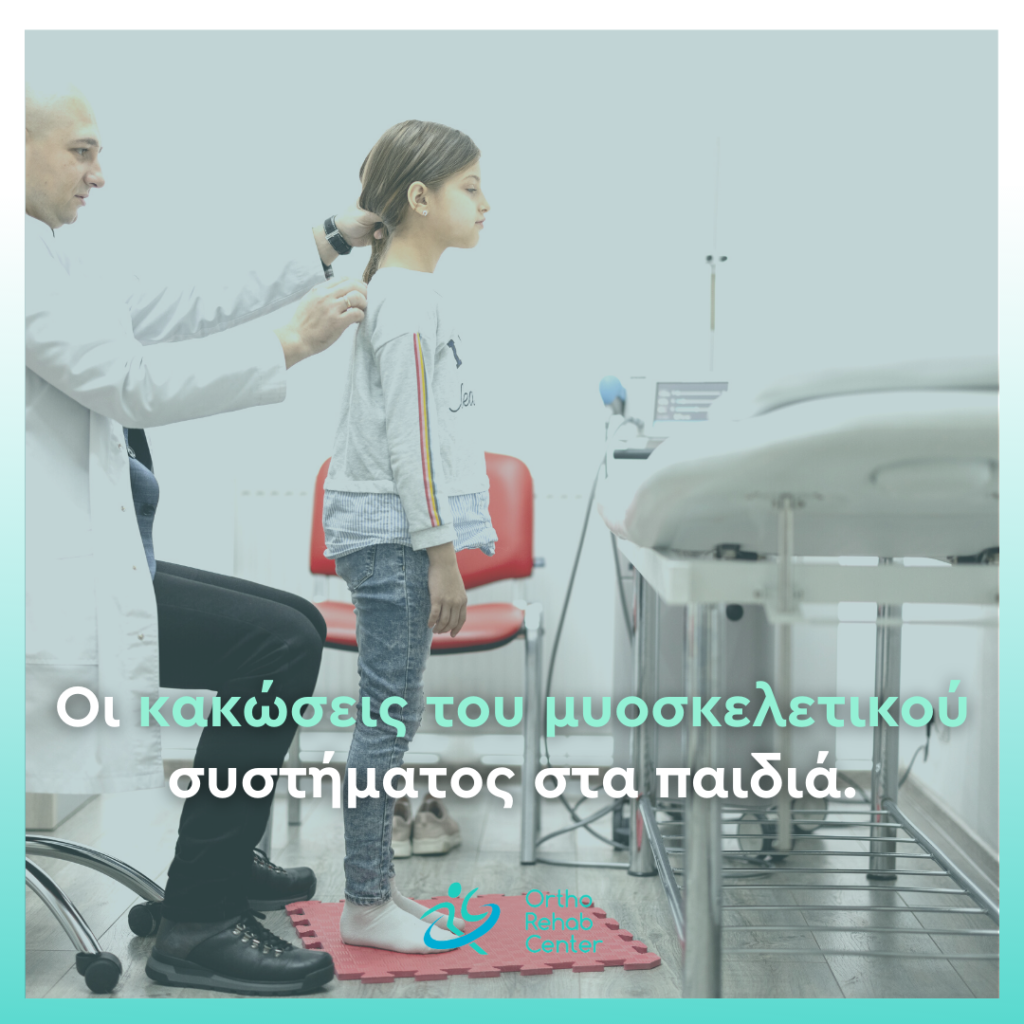
Children frequently present to orthopedic clinics, both during the school year and summer months. Winter sports and athletic activities, as well as free play and recreational activities during summer, contribute to a high incidence of injuries, some of which may be severe.A key distinction between pediatric and adult musculoskeletal injuries is that the pediatric musculoskeletal system is still developing, allowing faster healing. Consequently, the management of musculoskeletal injuries in children differs from that in adults.Most Common Musculoskeletal Injuries in Children
The most commonly reported pediatric musculoskeletal injuries include:
- Meniscal and ligament injuries, particularly in young athletes
- Stress or overuse fractures, primarily occurring during sports activities
- Bone fractures at any skeletal site
- Soft tissue injuries, for example around the knee
Immediate Management of Pediatric Musculoskeletal Injuries
A child who has just sustained a musculoskeletal injury may naturally feel fear, pain, and distress. It is therefore essential that parents and caregivers remain calm and avoid reinforcing these emotional responses.The injury requires immediate immobilization and stabilization, ideally with a splint, to prevent further damage. Application of ice, placed over a cloth rather than directly on the skin, can help reduce swelling and pain.The next step is to seek prompt medical evaluation.
Although musculoskeletal injuries in children are common, they require careful management and composure to ensure proper care and minimize complications.
 English
  Greek
Greek