
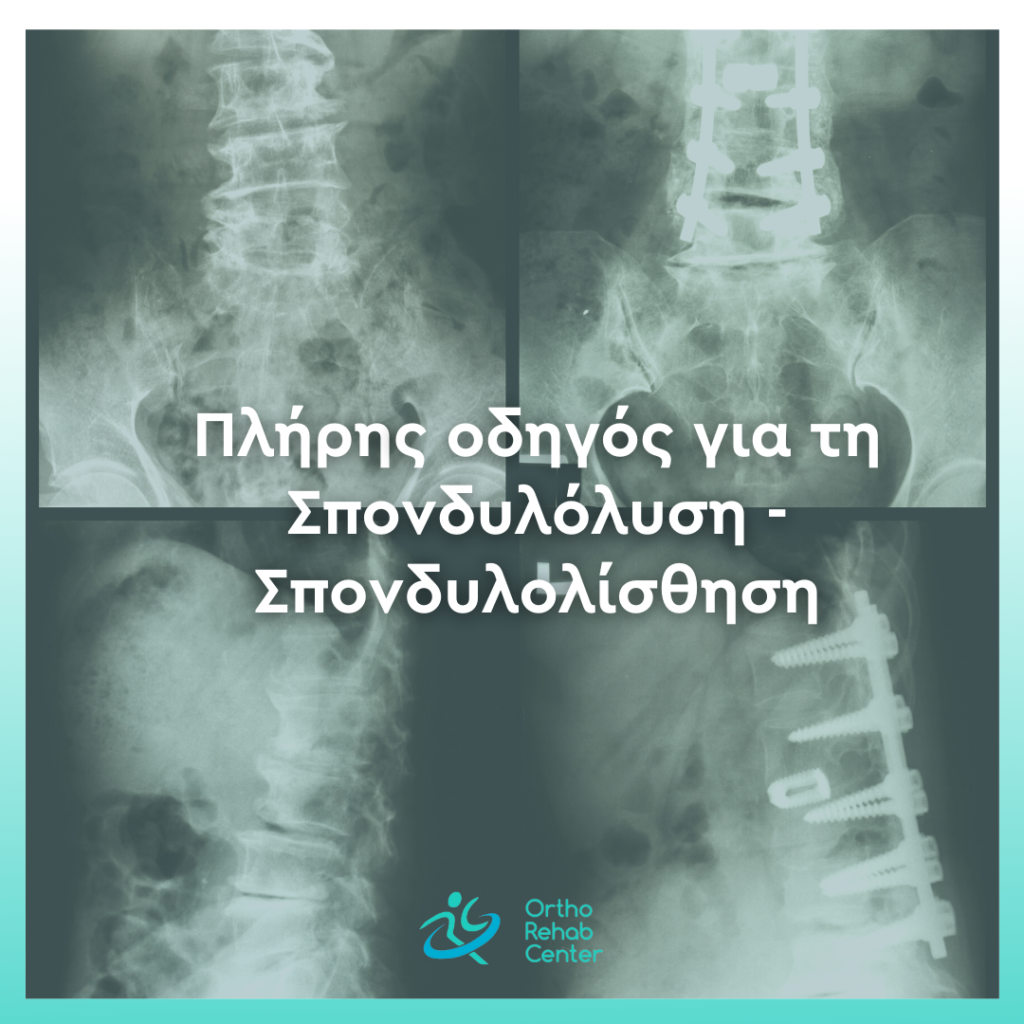
Spondylolysis refers to a defect or disruption in the continuity of the vertebral arch within the spineThe condition is most commonly observed in individuals aged 10–15 years, as well as in those engaged in intensive athletic activity, particularly in sports such as football (soccer), basketball, artistic and rhythmic gymnastics, tennis, wrestling, rugby, and track and field. Approximately 7% of the general population is affected by spondylolysis. Spondylolisthesis is the anterior displacement of a vertebra that occurs as a result of weakening from extensive spondylolysis.
Spondylolysis
The most common cause of spondylolysis is a stress fracture, which explains its high incidence among athletes. Less frequently, the condition may result from an acute traumatic fracture or hereditary predisposition. Clinically, spondylolysis presents primarily with intense lower back pain during physical activitysometimes accompanied by pain radiating to the buttocks, muscle spasms, weakness in the lower limbs, and gait disturbances.Spondylolysis can be treated conservatively or surgically, depending on the severity and clinical progression. In the early stages, treatment is typically conservative, aimed at stabilizing fracture and relieving the patient’s symptoms. Conservative management may include:
- Use of a spinal brace to prevent lumbar lordosis and promote fracture stabilization
- Pharmacological therapy (analgesics and anti-inflammatory medication) during the acute phase
- Physiotherapy program focused on strengthening and flexibility
- Strengthening and stabilization exercises to enhance core and spinal support
- Surgical intervention is reserved for rare cases, particularly when conservative measures fail or when spondylolisthesis exceeds 50% slippage.
Spondylolisthesis
Spondylolisthesis occurs when extensive degeneration of the spine leads to the displacement of one or more vertebrae. The condition is more common among middle-aged and elderly individuals, and it predominantly affects women. Its development is often associated with activities that involve repetitive spinal extension, such as ballet. Spondylolisthesis may also arise as a result of trauma, congenital anomalies, or pathological causes such as tumors.Clinically, the condition manifests as lower back pain that may radiate to the legs, accompanied by numbness or weakness in the lower extremities and, in more severe cases, urinary disturbances.Spondylolisthesis can be treated either conservatively or surgically, depending on the severity of symptoms and the degree of vertebral slippage. Conservative management typically includes:
- Pharmacological treatment (analgesics and anti-inflammatory drugs)
- Physiotherapy program focused on strengthening and flexibility
- Use of a lumbar brace to provide spinal support
- Rest and avoidance of activities that exacerbate symptoms
In cases where patients experience severe or persistent symptoms, or when conservative treatment fails to provide adequate relief, neurosurgical intervention may be indicated.
 English
  Greek
Greek