
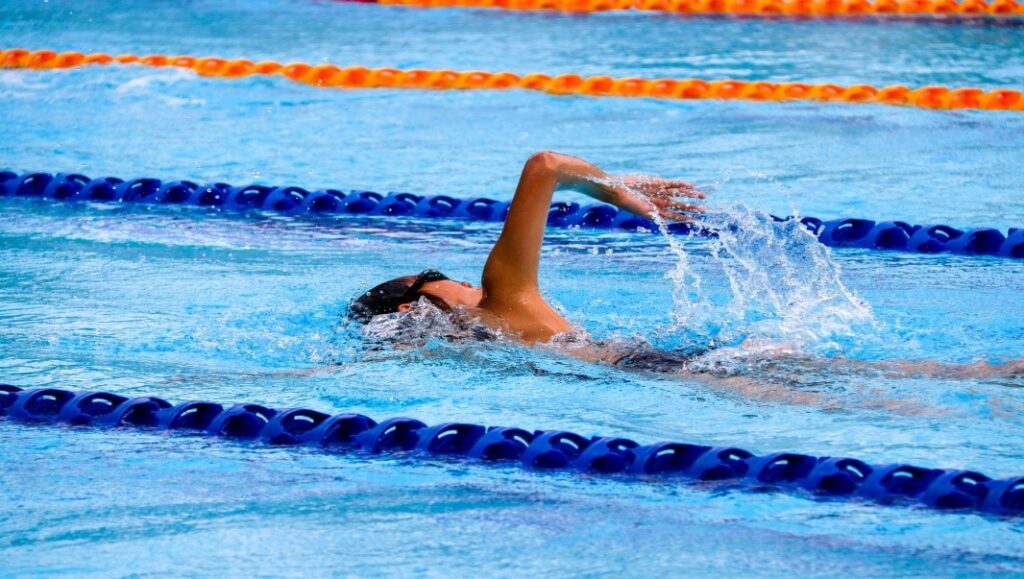
Swimming is one of the most popular physical activities, particularly during the summer months, and not without reason. Beyond being an enjoyable pastime, swimming is also highly beneficial for overall health and well-being, especially for individuals suffering from arthritis, polyarthropathy, and chronic cartilage degeneration. Although some patients may fear that exercise will exacerbate their condition, systematic and properly guided physical activity can, in fact, become one of their greatest allies in alleviating symptoms. For these reasons and many more, swimming represents an ideal choice.

Swimming whether in the sea or in a pool is one of the most effective and accessible exercise options available to anyone who enjoys physical activity, regardless of whether they suffer from arthritis. For those who do, swimming offers particularly significant advantages. The unique properties of water allow patients to gain the benefits of exercise without placing undue stress on their joints.
The therapeutic effects of water are primarily attributed to three properties: buoyancy, hydrostatic pressure, and resistance to movement.Buoyancy reduces the body’s effective weight, allowing individuals to feel lighter—sometimes bearing as little as half of their actual body weight. This makes swimming especially beneficial for those with spinal, knee, or Hip conditions, areas typically subjected to high mechanical load during land-based exercise. Hydrostatic pressure, the uniform pressure exerted by water on the body, enhances blood circulation and supports venous return, contributing to reduced edema and improved cardiovascular function.Water resistance provides natural, gentle opposition to movement, comparable to resistance training with free weights but without excessive strain on the joints. This minimizes the risk of injury and reduces fatigue while maintaining muscle engagement throughout the body.To maintain flotation and proper movement through the water, nearly all muscle groups are activated—particularly those of the trunk and upper limbs—while the lower limbs also remain dynamically involved.

Swimming also contributes significantly to calorie expenditure as it is an excellent form of aerobic exercise, promoting weight management and improving respiratory function. Furthermore, swimming is an ideal form of exercise for older adults, as it enhances balance and postural stability, thereby reducing the risk of falls that often result in frequent or even serious Ιnjuries. These benefits of swimming are long-lasting, helping to maintain muscle strength and flexibility over time, which in turn significantly reduces the likelihood of future injuries.
The unique properties of water make it an exceptional medium for individuals who wish to exercise without placing excessive strain on their joints — regardless of the underlying cause. Importantly, swimming is not the only type of exercise that can be performed in water. A wide range of aquatic exercises—such as walking, running, or even static movements—can be performed safely and effectively within the water’s supportive environment.Therefore, even individuals who do not particularly enjoy swimming can still benefit from the therapeutic effects of aquatic exercise. Engaging in swimming or any other form of water-based physical activity is one of the greatest gifts one can offer to their body, especially for those experiencing joint-related conditions.

 English
  Greek
Greek