

Orthopedic surgical procedures can be life-changing, but the path to full recovery often requires dedication, patience, and a well-structured rehabilitation program. Proper rehabilitation is crucial for restoring mobility, strength, and functionality following orthopedic surgery. This article explores the key rehabilitation techniques that can accelerate recovery and help patients regain an active lifestyle after orthopedic procedures.
What are the main rehabilitation techniques following orthopedic surgery?
Early mobilization
Early mobilization is often encouraged, sometimes on the day of surgery or immediately thereafter. This approach involves gentle movements and exercises aimed at improving blood circulation, reducing the risk of complications such as blood clots, and stimulating the healing process. Mobility aids, such as walkers or crutches, may be used initially.
Range of motion exercises
Maintaining and gradually increasing joint range of motion is essential after surgery. Physical therapists guide patients through passive and active range-of-motion exercises targeting the affected area. These exercises prevent joint stiffness and promote flexibility.
Strengthening exercises
Orthopedic surgery can lead to muscle atrophy, making strengthening exercises vital. Patients gradually work to restore muscle strength through resistance exercises. These exercises are specifically adapted to the surgical site to enhance stability and functional performance.

Pain management
Effective pain management is essential for successful rehabilitation. Orthopedic surgeons employ a combination of medications, nerve blocks, and non-pharmacological methods, such as ice application and elevation, to manage postoperative pain.
Balance and proprioception training
Balance and proprioception exercises improve stability, reducing the risk of falls and injuries. Patients participate in activities such as single-leg balance, the use of balance boards, or proprioceptive exercises to enhance joint awareness.
Gait training
Gait training focuses on restoring a normal walking pattern. Physical therapists assess and correct any abnormalities in alignment bodyor gait mechanics.
Hydrotherapy
Hydrotherapy involves exercise in a pool, which reduces joint load while providing resistance. It is beneficial for patients with weight-bearing limitations and can help relieve pain and improve mobility.
Physical modalities
Physical modalities, such as ultrasound, electrical stimulation, and thermal or cold therapy, can assist in pain relief, reduce inflammation, and promote healing. These methods are often used in combination with other rehabilitation techniques.
Manual Therapy
Manual therapy techniques, including joint mobilization and soft tissue massage performed by physical therapists, can enhance joint mobility, reduce scar tissue formation, and alleviate pain.
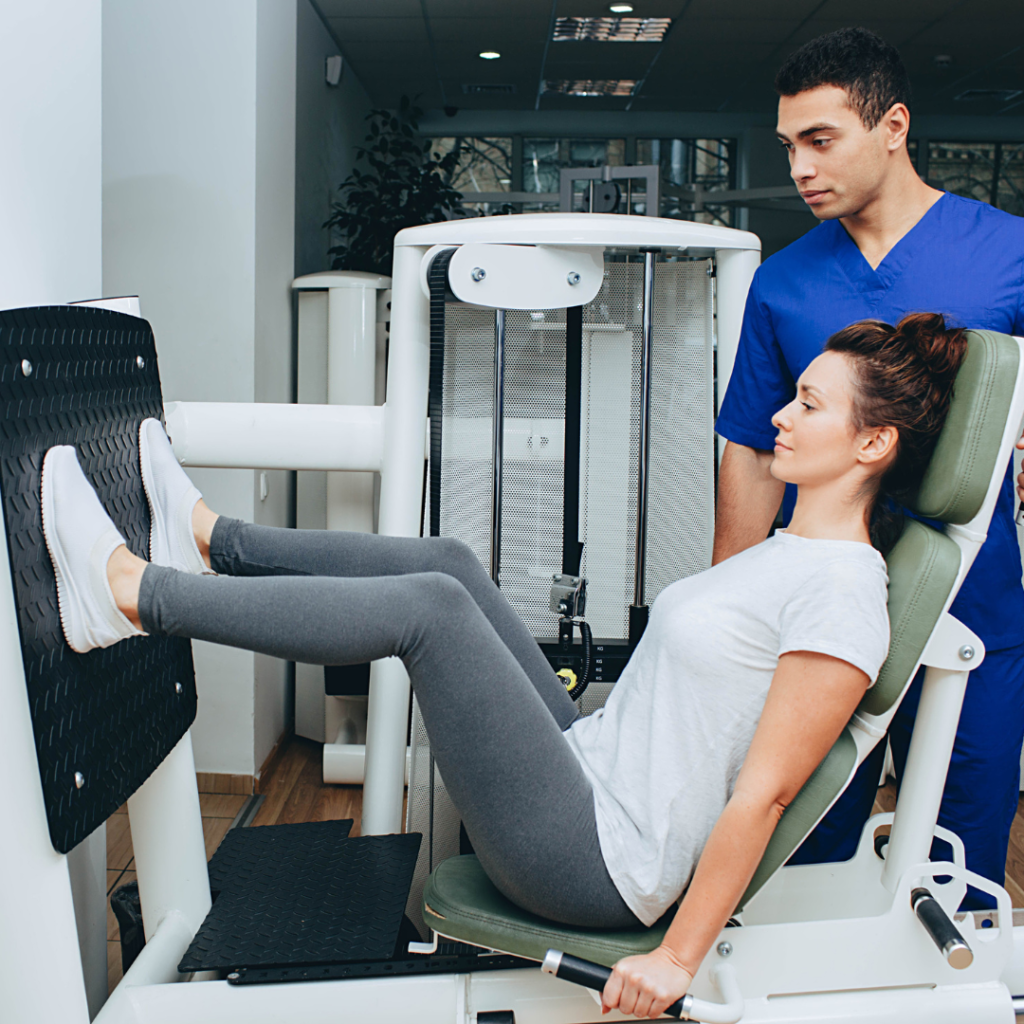
Functional training
_Functional training reproduces movements and activities of daily life to help patients regain their ability to perform everyday tasks and activities related to their lifestyle or occupation.
Home exercise programs
Patients are often provided with home exercise programs tailored to their specific needs. Consistency with these exercises is essential for continuous progress.
Orthopedic surgeries can significantly improve the quality of life for many individuals, but successful outcomes depend on proper rehabilitation. When implemented under professional guidance, these rehabilitation techniques can accelerate recovery and restore functionality. It is crucial for patients to actively participate in their rehabilitation program, adhere to medical advice, and communicate any concerns or progress with their healthcare provider. With dedication and patience, individuals can look forward to regaining mobility, strength, and independence following orthopedic surgery.
 English
  Greek
Greek