
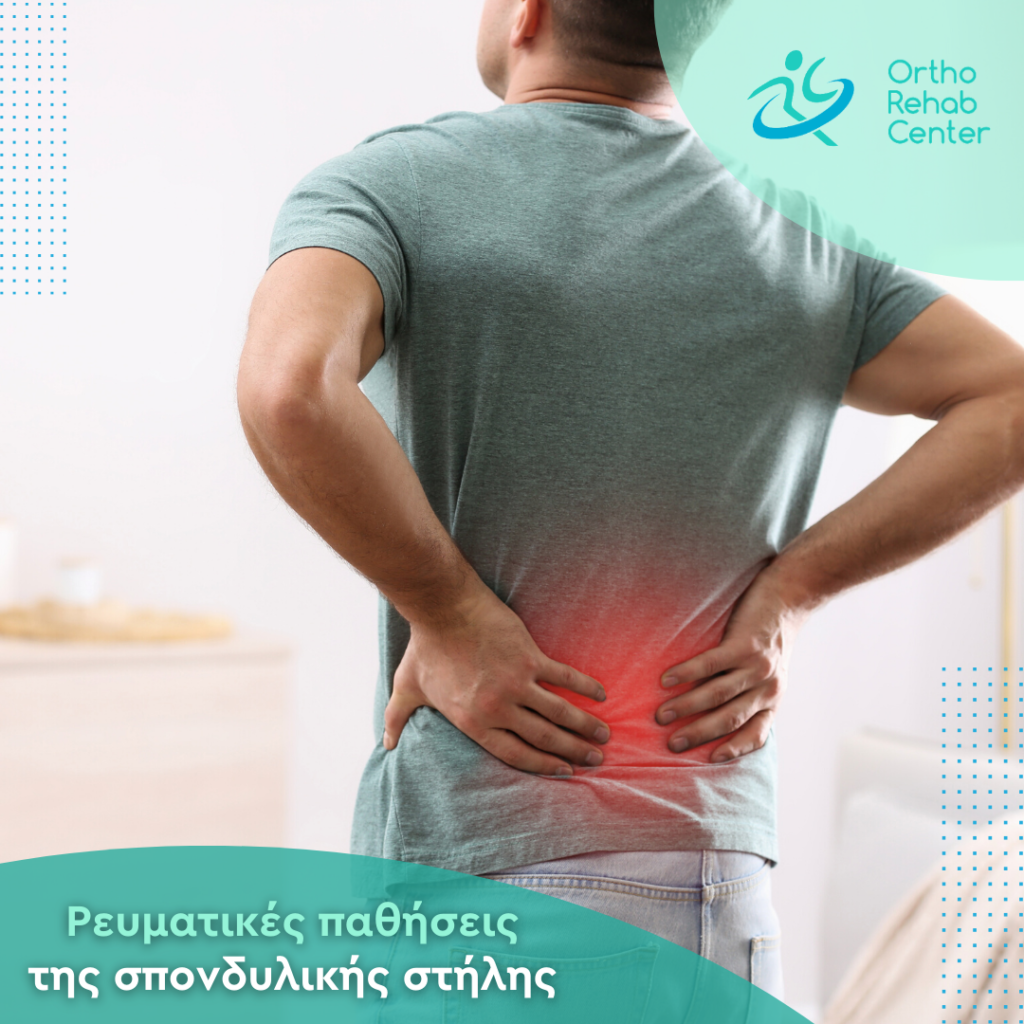
The spine is a critical structure that plays a fundamental role in supporting the body, protecting the spinal cord, and enabling movement. When rheumatic conditions affect the spine, they can lead to significant pain, stiffness, and reduced mobility.
The spine, consisting of vertebrae, intervertebral discs, ligaments, and muscles, functions as the central axis of the body It not only provides structural support but also protects the spinal cord — a vital component of the nervous system. The spinal cord facilitates communication between the brain and the rest of the body, regulating movement, sensation, and organ function. Maintaining spinal health and integrity is essential for preserving the body’s overall function and well-being.
Several rheumatic conditions can affect the spine, but the most common include:
- Ankylosing Spondylitis: This chronic inflammatory disease primarily affects the sacroiliac joints and the spine. It causes inflammation, pain, and stiffness, eventually leading to fusion and rigidity of the vertebrae over time. Ankylosing spondylitis is believed to have a genetic component and may be triggered by environmental factors.
- Degenerative Disc Disease: This condition refers to the gradual breakdown of the intervertebral discs, resulting in reduced disc height, loss of elasticity, and potential disc herniation. Aging, wear and tear, repetitive strain, and poor posture can all contribute to the development of degenerative disc disease.

Symptoms of Rheumatic Spinal Disorders
The symptoms of rheumatic conditions affecting the spine can vary depending on the specific disease and its severity; however, they commonly include:
- Persistent back pain, particularly in the lower back or buttocks.
- Stiffness and limited mobility, especially after periods of rest or inactivity.
- Pain and inflammation in the joints, including the sacroiliac joints.
- Fatigue and discomfort, especially in the morning or after prolonged periods of inactivity.
- Reduced spinal flexibility, leading to difficulty bending or twisting.
Treatment Options for Rheumatic Spinal Disorders
While there is no cure for most rheumatic conditions affecting the spine, various therapeutic options can help manage symptoms and improve quality of life. These options include:
- Medication: Nonsteroidal anti-inflammatory drugs (NSAIDs), corticosteroids, and disease-modifying antirheumatic drugs (DMARDs) can help reduce pain and inflammation and slow disease progression.
- Physical therapy: Specific exercises and stretching routines can improve flexibility, strengthen supporting muscles, and enhance overall spinal function.
- Biologic therapies: These advanced medications target specific immune responses to reduce inflammation and slow disease progression.
- Pain management techniques: Methods such as heat or cold therapy, acupuncture, and transcutaneous electrical nerve stimulation (TENS) can help relieve pain.
- Surgical intervention: In severe cases where conservative treatments fail, surgical options such as spinal fusion or disc replacement may be considered.
Tips for a healthy spine
Certain measures can help maintain spinal health:
- Maintain good posture: Practice proper posture during daily activities, sitting, and standing to reduce strain on the spine.
- Exercise regularly: Engage in exercises that promote flexibility, strength, and spinal alignment, such as swimming, yoga, or Pilates.
- Lift properly: When lifting heavy objects, use your legs rather than your back and avoid twisting movements.
- Take breaks: If your work involves prolonged sitting or standing, take regular breaks to stretch and change positions.
- Stay active: Regular physical activity helps maintain the strength of the muscles supporting the spine and promotes overall well-being.

The spine is vital to the body’s overall function, housing the spinal cord and providing structural support and mobility. Rheumatic diseases of the spine can cause significant discomfort and limitations. Early diagnosis, appropriate treatment, and lifestyle modifications can help manage symptoms, slow disease progression, and improve quality of life. At the first signs of symptoms, it is essential to consult healthcare professionals for early diagnosis and an individualized treatment plan tailored to your needs.
 English
  Greek
Greek