
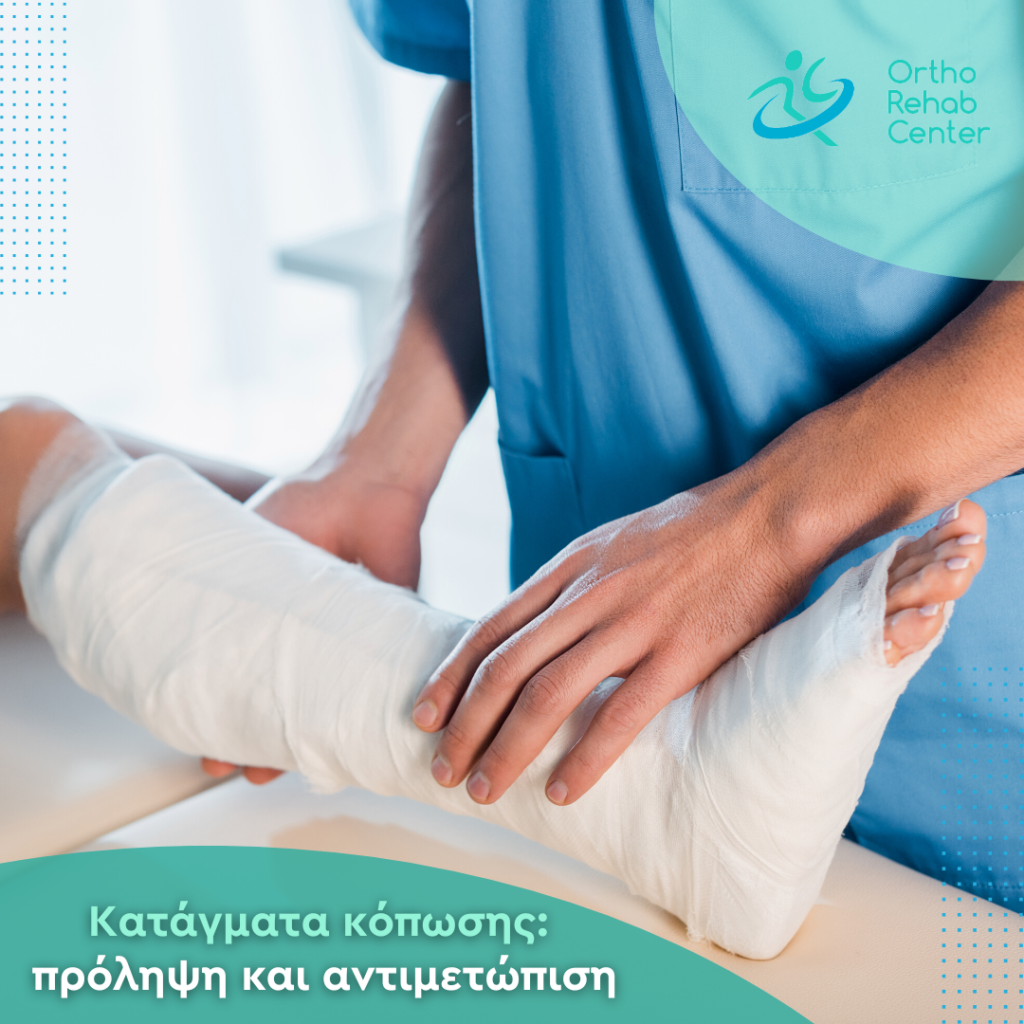
Stress fractures are a common overuse injury that affects individuals engaged in repetitive physical activities or sports. These microscopic cracks in the bones can be painful and may lead to more serious complications if not addressed promptly.
A stress fracture is a small crack or break in a bone caused by repetitive force or pressure applied to the bone. Unlike acute fractures, which result from a sudden impact or traumatic eventA stress fracture is a small crack or break in a bone caused by repetitive force or pressure applied to the bone. Unlike acute fractures, which result from a sudden impact or traumatic event, stress fractures develop over time due to repeated loading and overuse, particularly in weight-bearing bones such as those of the feet and lower extremities.
Causes of Stress Fractures
Fractures fractures can affect a broad segment of the population, athletes, dancers, and individuals participating in high-impact activities are particularly susceptible. Stress fractures occur when the natural process of bone breakdown and repair is disrupted. Repetitive stress from activities such as running, jumping, or dancing can exceed the bone's capacity to self-repair, leading to microfractures. Contributing factors include sudden increases in training intensity, improper exercise techniques, insufficient rest and recovery periods, inadequate footwear, and nutritional deficiencies.
Symptoms of Stress Fractures
The symptoms of a stress fracture can vary depending on the affected area, but the most common manifestations include:
- Localized pain that worsens during activity and subsides with rest.
- Swelling and tenderness at the site of the fracture.
- Pain when pressure is applied to the area or during specific movements.
- Gradual onset of pain that intensifies over time.
Diagnosis and Management
The diagnosis of stress fractures typically involves a combination of physical examination, medical history review, and imaging studies. X-rays may not always detect stress fractures in their early stages, making magnetic resonance imaging (MRI) a more reliable method for identifying these small bone cracks.
Timely diagnosis and appropriate treatment are essential to facilitate healing and prevent complications. Management of stress fractures typically includes:
- Rest: Avoiding activities that exacerbate pain and allowing time for the affected bone to heal is crucial.
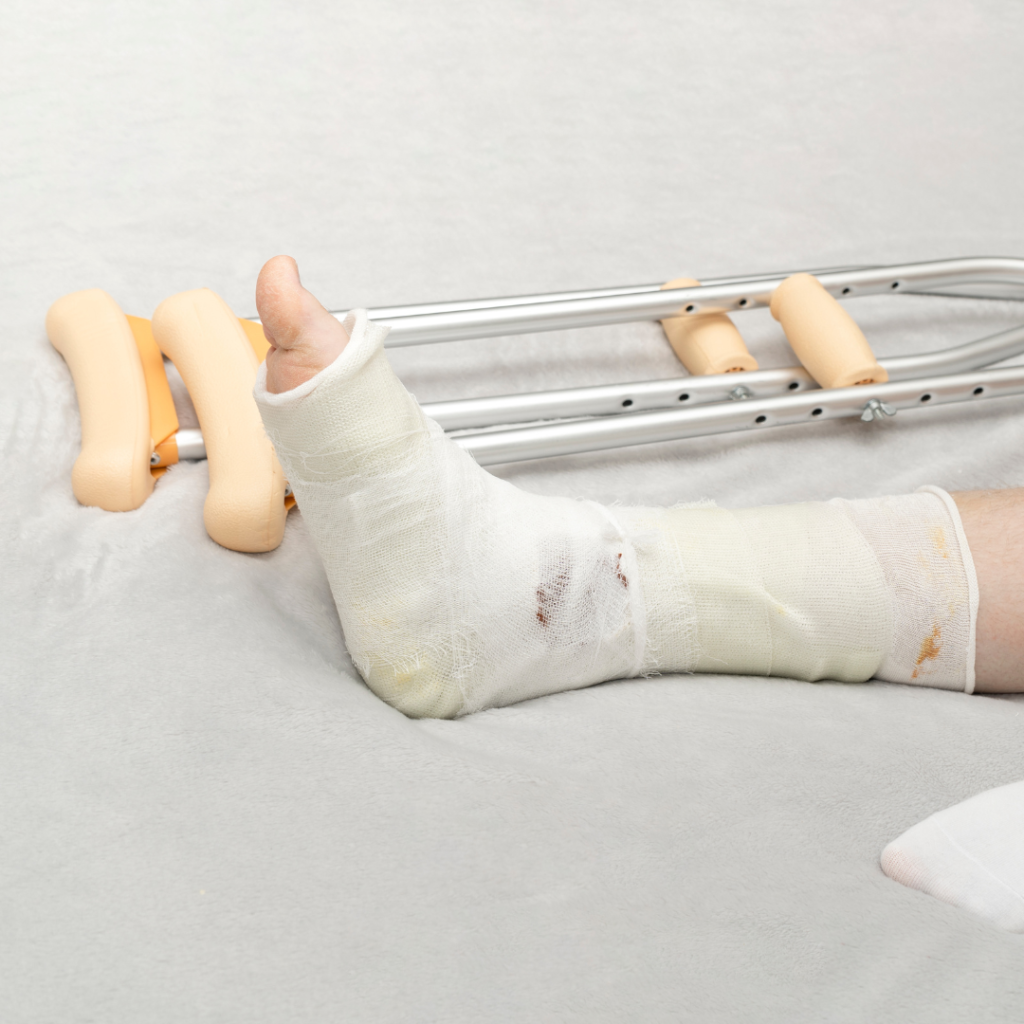
- Immobilization with a brace: In certain cases, the use of a brace, cast, or crutches may be necessary to immobilize the affected area and promote recovery.
- Medication: Analgesics and over-the-counter anti-inflammatory medications may be recommended to alleviate discomfort and reduce inflammation.
- Physical therapy: Specific exercises and stretches can help maintain joint mobility and strengthen surrounding muscles while the fracture heals.
- Gradual return to activity: Athletes should resume activities gradually once the fracture has healed, under the guidance of a healthcare professional.

Prevention Tips
The prevention of stress fractures is essential for maintaining bone health and overall well-being. How can potential stress fractures be prevented?
- Gradual progression: Increase the intensity, duration, and frequency of physical activities gradually, allowing bones to adapt progressively to mechanical stress.
- Appropriate footwear: Wear shoes specifically designed for the activity, providing adequate shock absorption and support.
- Balanced nutrition: Follow a diet rich in calcium, vitamin D, and other essential nutrients to support bone health.
- Cross-training: Incorporate cross-training and vary workouts to reduce repetitive stress on specific bones and muscles.
- Listen to your body: Pay attention to any signs of pain or discomfort, and seek medical evaluation if symptoms persist.
- Rest and recovery: Allow sufficient rest and recovery time between training sessions to enable bones and muscles to repair and strengthen.
Stress fractures are a common overuse injury that can significantly impact physical activity and overall well-being. Early medical evaluation for any persistent pain or discomfort is essential to prevent complications and ensure full recovery. By combining preventive measures with timely intervention, individuals can protect their bones and continue to engage safely in the activities they enjoy, minimizing the risk of stress fractures.
 English
  Greek
Greek