

The Elderly and Orthopaedic Health
Falls in older adults, often resulting in fractures and reduced mobility, are a common occurrence and can have long-term consequences. Maintaining orthopedic health and mobility is a key factor for the elderly. As time passes and the body ages, bones and joints undergo degenerative changes that can significantly reduce mobility and quality of life.
The Importance of Orthopedic Health in Older Adults
Orthopedic health refers to the integrity and functionality of the musculoskeletal system, including bones, joints, muscles, and ligaments. In older adults, orthopedic specialist shoulder injuries they may result from various conditions such as osteoporosis and arthritis. In addition to pain, these conditions cause reduced mobility and increased dependence on others, even for the simplest daily activities.
The challenge, therefore, is to implement strategies that not only prevent the rapid progression of these degenerative changes but also improve the current state of musculoskeletal health. Exercises specifically tailored for older adults are particularly important in this context, as they help maintain bone density, muscle strength, joint flexibility, and balance.
The Role of Exercise in Maintaining Mobility
Resistance Training
Resistance or strength training contributes to the maintenance and increase of muscle mass and strength, which are crucial for mobility. Older adults can also reduce the risk of osteoporosis and fractures through resistance training, which additionally helps preserve bone mass.
Weight-Bearing Exercises
These include activities such as walking, stair climbing, and dancing. Such exercises help build and maintain bone density and are essential for the prevention and management of osteoporosis.
Flexibility Exercises
Flexibility or stretching exercises help maintain joint range of motion, which is important for the smooth and pain-free performance of daily activities. Practices such as yoga and Tai Chi are excellent for improving flexibility, balance, and overall body awareness, all of which in turn reduce the risk of falls.
Balance Training Exercises
Improving balance is essential for fall prevention, which is perhaps the most common cause of even serious orthopedic injuries in older adults. Exercises such as single-leg stance, heel-to-toe walking, or balance-focused activities like Pilates can significantly enhance stability and coordination.
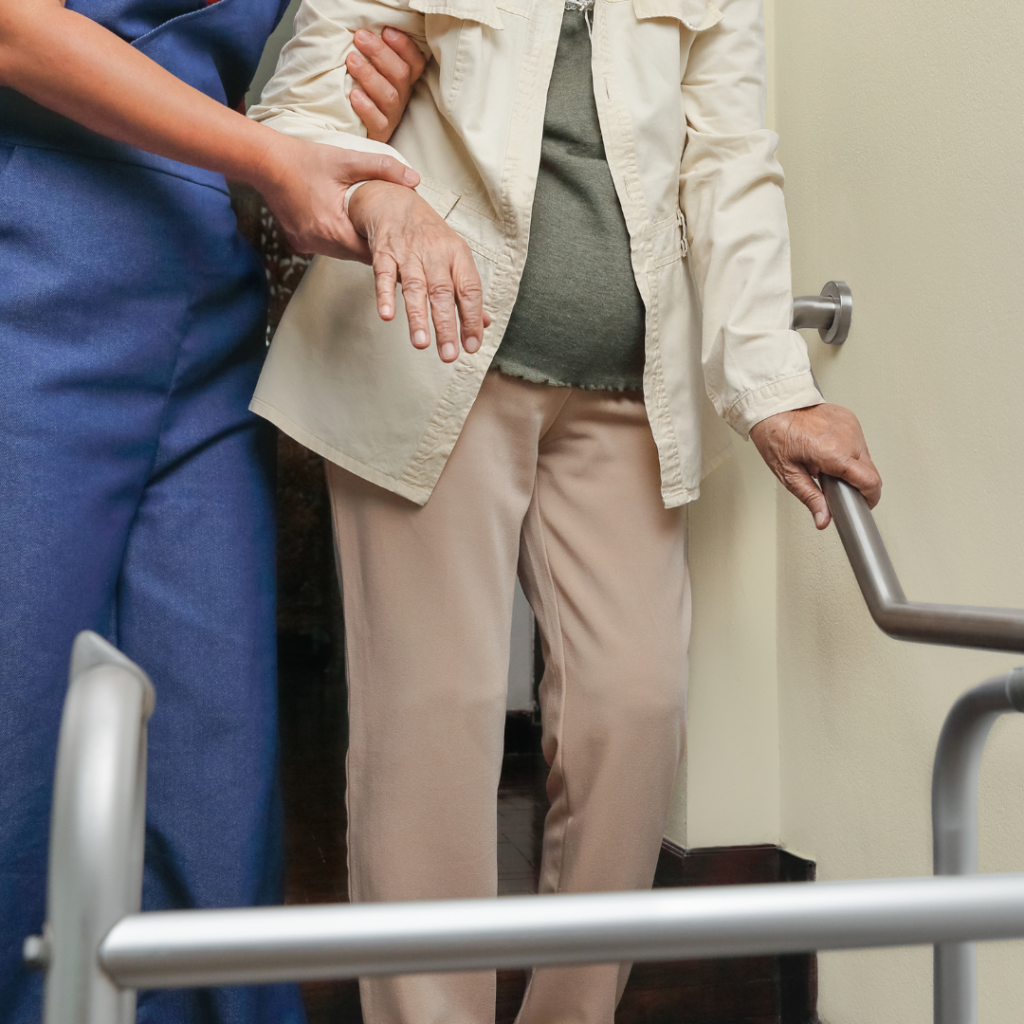
Older Adults and Mobility: How to Improve It
1.Nutrition for Bone and Joint Health
A balanced diet rich in calcium, vitamin D, and omega-3 fatty acids is essential for maintaining strong bones and joints. Dairy products, leafy greens, nuts, and fatty fish are foods that should be consumed regularly. In certain cases, dietary supplements may also be recommended to meet nutritional requirements.
2.Ergonomic Adjustments
Creating a living environment that minimizes the risk of falls and promotes mobility can have a significant impact on orthopedic health. Adequate lighting and the installation of handrails are among the most important measures.
3.Regular Examinations
Regular screenings, including bone density tests and assessments for vitamin D deficiency, can aid in the early detection of potential issues, allowing for timely intervention.
4.Hydration
Proper Hydration Ensures Joint Lubrication and Optimal Muscle Function.
Exercise and the Elderly Population
Exercise is undeniably beneficial; however, when it comes to older adults, there are additional factors to consider. Issues such as pre-existing health conditions, mobility limitations, and fear of injury may hinder participation in regular physical activity. Therefore, every exercise program should be carefully tailored to an individual’s abilities and health status, ideally under the guidance of specialists.
It is crucial that exercises are adapted to each individual’s specific health and mobility conditions. This may involve modifying exercises to be performed in a seated position or with the use of assistive devices.
Furthermore, exercises should be supervised by specialists to ensure proper execution and to prevent shoulder injuriesThe intensity and duration of exercises should be increased gradually to ensure progress on both physical and psychological levels.
With the appropriate combination of exercises tailored to their needs and abilities, strategic adjustments to diet and lifestyle, and proper medical and professional support, older adults can improve their orthopedic health, prevent adverse events, and enjoy a more active daily life.
 English
  Greek
Greek