

One of the most popular summer activities is engaging in various water sports. Many individuals choose to participate in one or more of these activities during their stay at the beach, while others visit the seaside specifically for this purpose. Whether practiced as a hobby, for enjoyment, out of curiosity, or simply for a first-time experience, it is important to recognize that although water sports can be highly enjoyable, they also carry the potential risk of injury including serious ones. For this reason, proper technique and adherence to essential safety measures are of utmost importance. But what types of injuries are most commonly associated with water sports?

Popular Water Sports
There are numerous sports and recreational activities that can be enjoyed in the sea, and every year the beaches are filled with people eager to experience at least one of them.The most popular water sports include:
- Water skiing
- το surfing
- το windsurfing,
- το kitesurfing
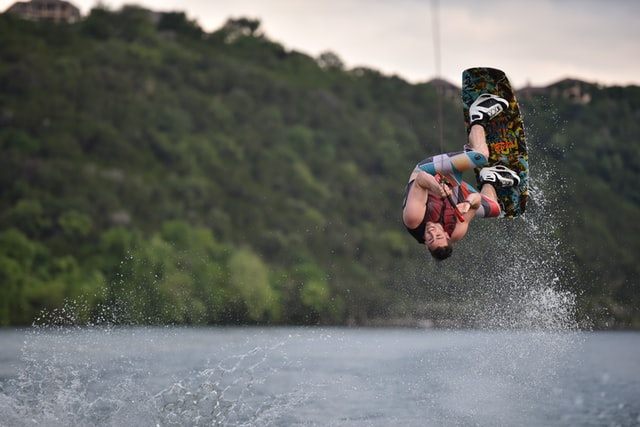
- το wakeboarding,
- το jetski ,
- Kayaking
- Scuba diving
- το snorkeling
- το sub wing
- Banana boat rides
- το fly fish
- and many more.

The Most Common Injuries
Not all water sports pose the same level of risk, and they differ significantly in the areas of the body they most commonly affect. Certain water sports are more likely to cause injuries to the head and neck, while others are associated with trauma to the upper or lower limbs.
The most frequent injuries associated with water sports may involve the upper or lower limbs, as well as various other parts of the body. These include:
- Cuts and lacerations
- Bruising
- Muscle strains
- Tendonitis
- Sprains
- Fractures
- Soft tissue injuries
- Tendon ruptures
More severe incidents may also occur, such as:
- Tympanic membrane rupture (eardrum perforation)
- Cardiac rupture
- Traumatic brain injuries
- Other contributing factors
Prevention
Some of the injuries mentioned above may be superficial and may not require significant intervention, whereas others can be extremely dangerous, potentially threatening an individual’s health or even life. Therefore, it is of paramount importance to take all possible measures to prevent potential injuries that could have lasting consequences. How can injuries from water sports be prevented?
- Learning and practicing correct technique
- Taking all necessary protective measures
- Realistic assessment of potential risks
- Honest evaluation of one’s own strength and fatigue levels
- Use of appropriate and complete equipment
- Guidance and advice from experienced instructors
Despite all precautions, injuries may still occur due to unforeseen events. Nevertheless, it is crucial to have implemented all preventive measures. In the event of an injury, immediate consultation with an orthopedic specialist is essential to ensure prompt treatment and to minimize the risk of exacerbating the injury.
 English
  Greek
Greek